
01
Culture press and tastemakers
The story has to reach writers, editors, interview platforms and communities that understand the artist's lane. A long list of generic placements cannot replace cultural relevance.
Rap · Trap · Hip-Hop
Hip-hop moves when the record, story and identity travel together—through culture press, tastemaker platforms, creators, DSP discovery, YouTube and audience proof that feels native to the artist rather than manufactured around them.
How this genre wins
01
The story has to reach writers, editors, interview platforms and communities that understand the artist's lane. A long list of generic placements cannot replace cultural relevance.
02
The right creator idea extends the song's world—its language, energy, visual codes and audience—rather than forcing every release into the same trend format.
03
We look past a single stream count toward saves, follows, repeat listening, market response and the signals that can carry into the next release.
04
TikTok, Reels, Shorts and YouTube can reinforce one another when content, packaging, retargeting and release timing are built as one system.
05
Brand, event and street-level opportunities become credible when the artist has a distinct identity and demonstrable audience—not inflated vanity metrics.
Hip-hop campaign proof
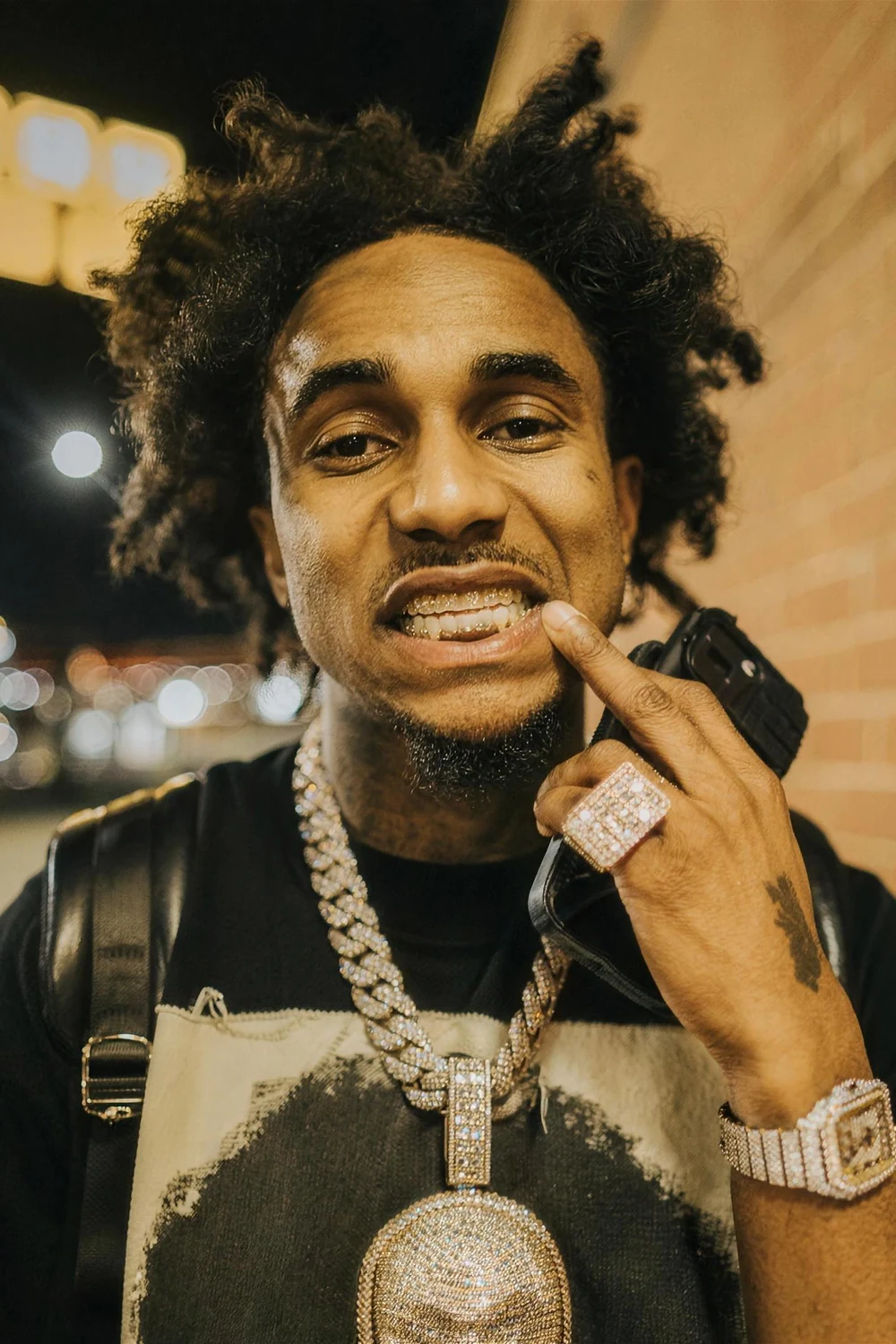
Multi-single rollout
143M+ YouTube views · Billboard Hot 100 debut
View full case →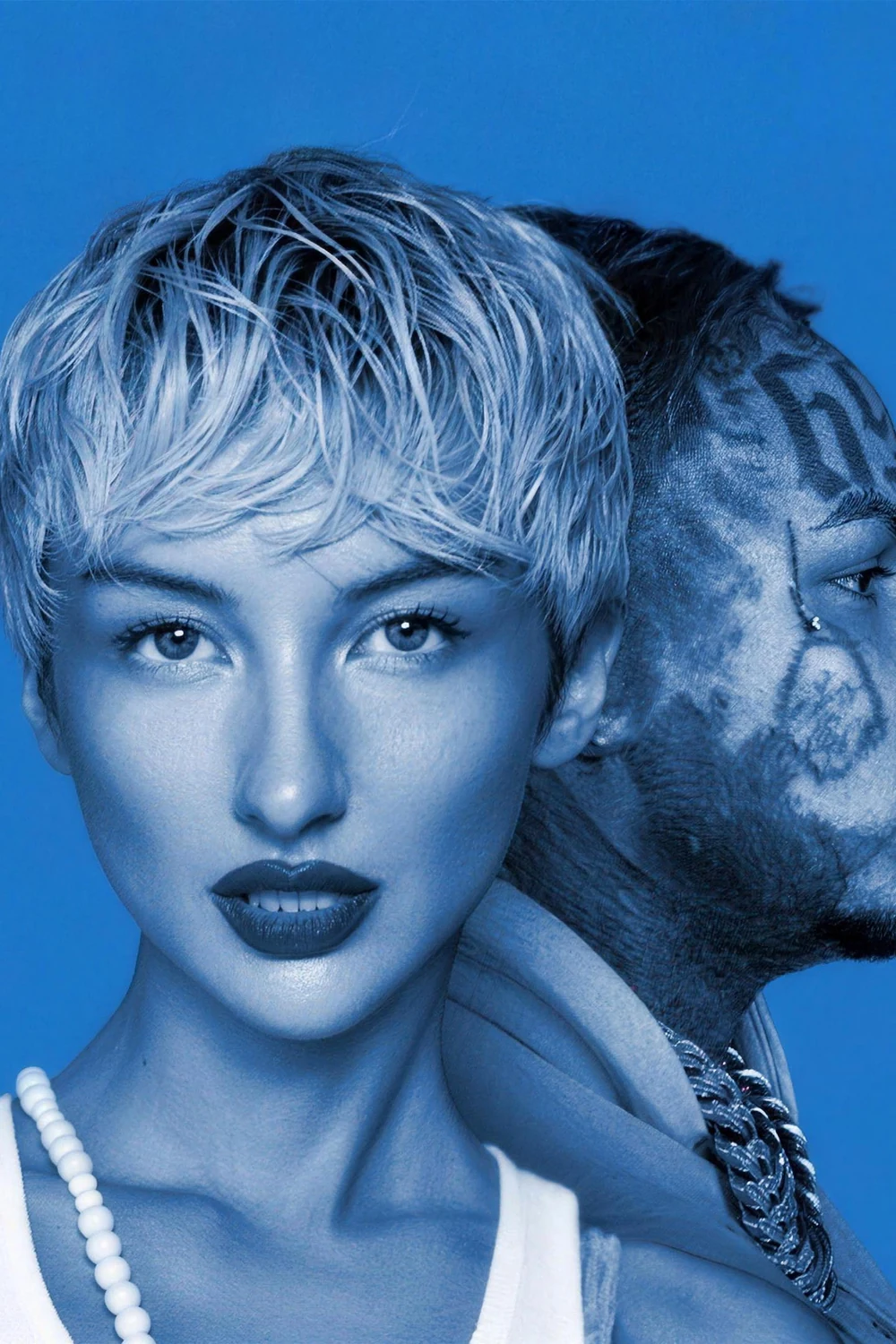
“Buratino” creator-led release campaign
6.2M TikTok views · 10M+ YouTube views
View full case →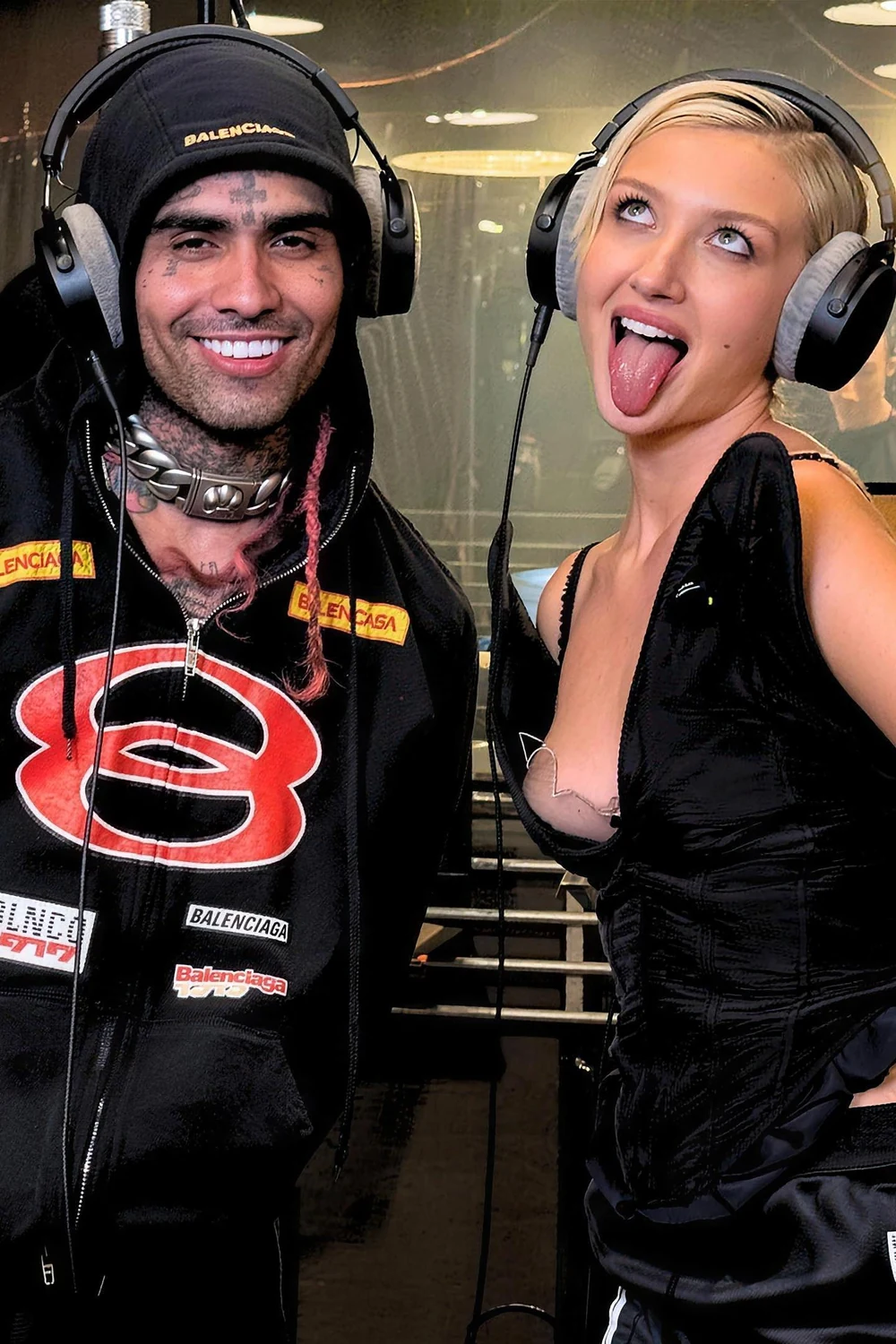
“KUKAREKU” single campaign
8M TikTok views · Top-10 Apple Music Russia
View full case →Typical campaign mix
A serious hip-hop rollout can combine PR, creators and UGC, paid acquisition, Spotify and YouTube development, with radio or brand work where the artist and market justify it. The mix follows the objective; it is not a copied bundle.
Starting scope
A focused entry point for press, audience development and release visibility.
Explore scope →Starting scope
Creator strategy and short-form activation when the record has a strong content hook.
Explore scope →Starting scope
A broader campaign for releases that need several channels moving together.
Explore scope →Starting scope
A larger integrated scope for established teams, ambitious markets and sustained rollout.
Explore scope →Strong fit
Campaign review
Share the song or artist page and your best email. If the project is aligned, the next step collects your role, objective, release date, priority markets and budget band so a strategist can recommend the right starting scope.
FAQ
Ideally, promotion begins four to six weeks before release. That gives the team time to establish the story, prepare creative, brief creators, respect DSP pitching windows and build an audience plan. If only one or two weeks remain, MPT can still move quickly—we have the team, manpower and resources to build a focused campaign around the available runway.
Yes, when editorial pitching fits the release. Platforms and independent editors make their own decisions, so placements are never guaranteed. MPT focuses on strong preparation, accurate targeting and real audience development—not bots or purchased streams.
Yes. Independent artists, managers and labels can all be a fit. The deciding factors are usually the quality and readiness of the music, a clear objective, usable creative assets, enough runway and a realistic investment level.
Focused campaigns generally begin around $5,000–$7,500. Integrated release work commonly starts around $24,000, while major multi-market or sustained campaigns can begin at $50,000 and extend beyond $125,000. Final scope follows a manual campaign review.
No. MPT does not sell guaranteed editorial placements, chart outcomes, fake streams or virality. We define and execute the strategy, creative, targeting, outreach, media and reporting written into the campaign scope.
Yes. The plan should follow the record and its audience rather than a rigid genre label. The media list, creator profile, markets and channel mix are adjusted to the artist's actual lane.