
Insights
YouTube Music Marketing Now Starts in the Living Room
MusicPromoToday Staff · October 30, 2026
Share this article
Copy the link or spread it on social.
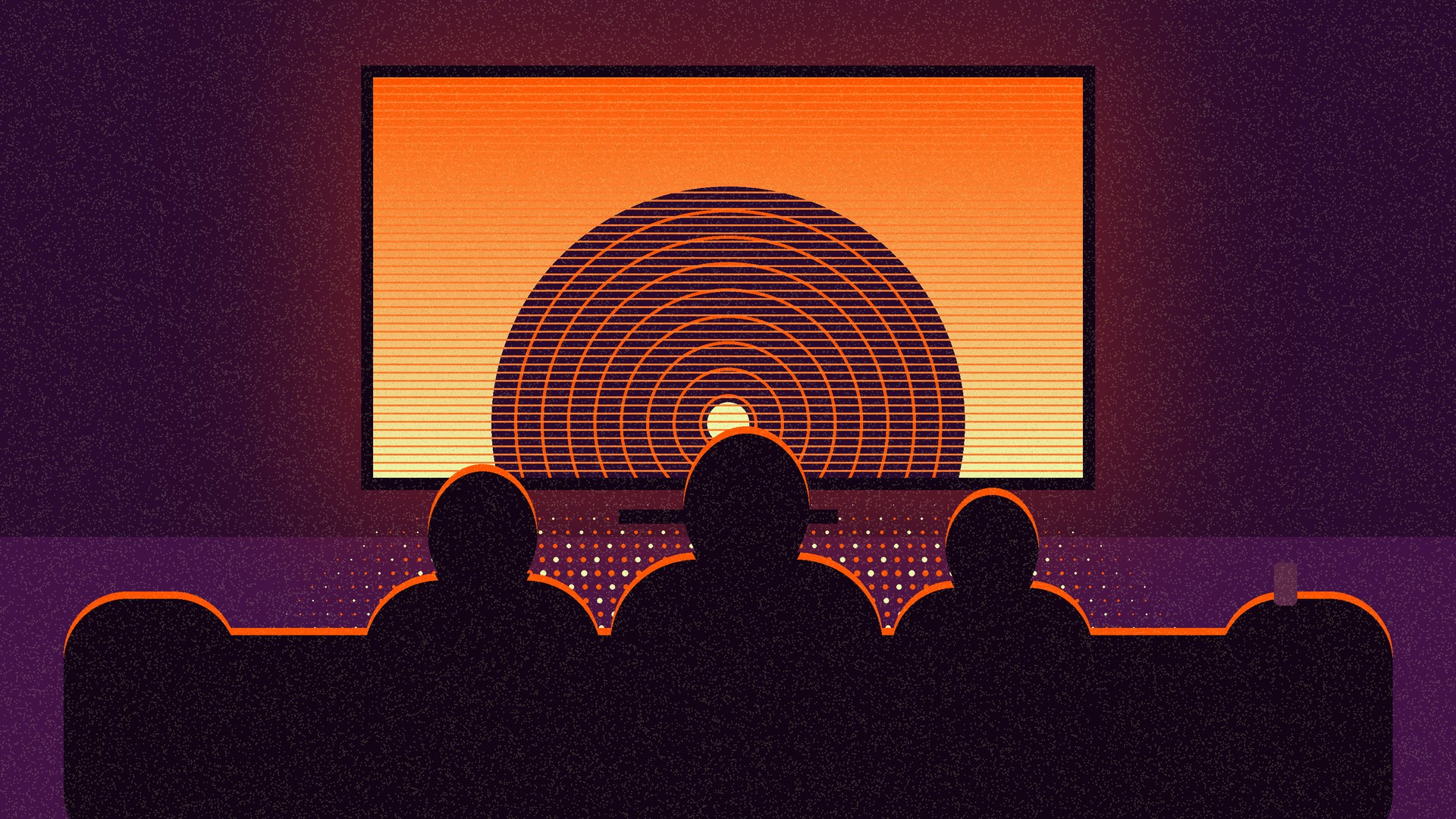
Your next music video will be watched from a couch. YouTube Music and YouTube Premium just passed 150 million subscribers worldwide, trials included, and in the same quarter the living room accounted for more than a third of YouTube's ad revenue. Put those two facts together and YouTube music marketing changes shape. The platform most release plans treat as a place to park the video is now a paid music service for 150 million people, and a screen that a big share of its audience watches from the sofa. If your release plan still stops at a vertical clip and a link in bio, you're building for the smallest screen in the house.
What YouTube's 150 million subscribers actually tell you
Alphabet disclosed the milestone in its third-quarter earnings on October 28. The count was 125 million in March 2025, so YouTube has added more than 25 million subscribers since then. It doesn't split the number between YouTube Music on its own and YouTube Premium, but that split matters less than you'd think: Premium includes full YouTube Music access, plus ad-free video, background play and offline downloads. Either way, every one of those people pays to listen and watch without ads.
Two other details from the same report matter for anyone releasing music:
- Subscriptions are growing faster than ads. Google's business chief said so on the earnings call, and called subscriptions the thing that helps "fund the creator ecosystem." YouTube ad revenue still rose 9% to $11.2 billion for the quarter, so free viewers aren't going anywhere either.
- The TV is a primary screen. More than a third of YouTube's ad revenue came from living-room viewing. The music video business is seeing the same shift: a major music video network now gets more than a third of its views on television screens, closer to half once you count several people watching together.
The growth has been especially strong in the U.S., but this isn't a one-market story. YouTube is a major music platform in markets on every continent. Wherever your audience lives, there's a good chance some of them hear your song on a television.
Why the living room changes your YouTube music marketing
On a phone, your video is fighting a thumb. On a TV, it's playing to people who sat down on purpose. That's a different kind of attention, and it rewards different assets.
- Sessions, not snacks. Lean-back viewing runs on autoplay and queues. One video turns into five. If your channel has nothing for the viewer to watch next, the session moves on to someone else's catalog.
- Group viewing. A song on a TV gets heard by the whole room, not just one person with earbuds. A play on a TV often reaches more than one person, and the others in the room never chose your song. That's discovery.
- Video is the flagship again. Plenty of artists have treated the official video as a cost center that rarely pays back. A paying, lean-back audience on a big screen is the best case yet for making one that's built to last.
None of this means you drop short-form. It means short-form has a new job: feeding the long-form and lean-back experience instead of standing alone.
Build the release around one TV-first anchor video
Every priority release needs one long-form asset made for the big screen. It doesn't have to be an expensive narrative video. It does have to hold up at 55 inches, across a room.
- Shoot horizontal and frame for distance. Wide shots, clear faces, strong color and movement that reads from a sofa. Captions and lyric text, if you use them, need to be large enough to read from across the room.
- Pick a format with a reason to rewatch. A live session, a stripped performance, a one-take, a short film with the song inside it. Performance formats work especially well on TV because they feel like a show, not an ad.
- Design the thumbnail for a TV home screen. One face or one strong image, high contrast, no small type. Test it shrunk down to a tile.
- Make version two before release day. A live version, an acoustic take or a visualizer gives the autoplay queue a second video from you instead of a stranger.
This is the music video promotion brief worth spending on now, and the one we push for at MusicPromoToday: fewer, better videos with a clear plan for where each one gets watched.
Wire Shorts into the long-form, on purpose
Short clips are still where most people first meet a song. The mistake is letting them dead-end. Links in Shorts descriptions and comments aren't clickable. The related video link is: it sits under your channel handle in the Shorts player and sends viewers to a full video on your channel.
Run it like a funnel:
- Every Short gets a destination. Link each clip to the anchor video, the live session or a full-album playlist, never to nothing.
- Cut Shorts as trailers, not summaries. Open on the strongest moment, stop before it pays off, and point to the full version. Give people a reason to tap.
- Match the clip to the link. A Short of the bridge should open on a video that gets to the bridge fast. Don't make the viewer hunt.
- Stay original. Recycled clips and lazy edits are exactly what YouTube is trying to filter out. We covered what YouTube's originality push means for music Shorts earlier this month.
Fix the channel plumbing before release week
A great video on a messy channel leaks attention. Before the next release, check the basics:
- Get the Official Artist Channel in order. An Official Artist Channel brings your subscribers and content from different YouTube channels into one place and opens up artist analytics. If your audio, videos and old uploads are spread across channels, fix that first.
- Build lean-back playlists. A full-album playlist, a "live" playlist and an "era" playlist give autoplay something to follow. Order them like a set: strongest first, no dead air.
- Schedule a Premiere. Premieres let fans set reminders and watch together with live chat. Put the countdown up a few days ahead and point every pre-save and pre-release post at it.
- Read the device split. YouTube Analytics breaks views down by device type, including TV. If a big share of your watch time is already on TVs, that's your brief for the next video.
Catalog is a living-room asset too
Old videos don't age on YouTube the way they do elsewhere. The same music video network found that 65% of Gen Z respondents feel nostalgic for eras they were never alive to experience, and that most of Bob Marley's audience on its channels was born after 1979. Younger viewers find older catalog through video, often on a TV, often with family in the room.
If you have a back catalog, treat it like a release:
- Restore or remaster old videos in HD and re-premiere them on anniversaries.
- Release live footage, rehearsals or never-seen cuts from a past era as a series.
- Build "start here" playlists that walk a new fan through the catalog in order.
Pair that with catalog optimization and a back catalog becomes a steady source of new fans instead of an archive.
Run PR, creators and paid toward the big screen
Once the assets exist, every channel should push toward them.
- Paid. Google Ads lets video campaigns target TV screens as a device type, alongside computers, mobile and tablets. Run your anchor video to TV viewers in your core markets as its own line, with its own creative cut, and compare cost and watch time against mobile. Keep a vertical cut running to phones for the Shorts funnel. Our music advertising work splits budgets this way so you can see which screen actually builds fans.
- Creators. Commission reaction, cover and breakdown videos from YouTube-native creators who make long-form, not just Shorts. A 15-minute breakdown watched on a TV can do more for a song than a 10-second sound. Brief them on the anchor video so their audience has somewhere to go next. See our influencer and UGC marketing approach.
- PR. Pitch the video, not just the song: exclusive first looks, behind-the-scenes on how it was shot, live sessions for YouTube-native music channels. Editors and channels want a reason to embed. Give them one.
- Audience segments. Treat phone-first discoverers, TV-first lean-back viewers and catalog fans as three segments with different creative, not one audience with one ad.
This is how MusicPromoToday approaches release campaign architecture: one anchor asset, a clear funnel into it, and PR, creators and paid all pointed at the same destination. After more than 3,000 campaigns since 2012, the pattern that holds is simple. The campaigns that work have a home for attention.
What to do this quarter
If you're an artist or manager planning the next release, here's the short list:
- Audit your YouTube device split this week. Know how much of your watch time already happens on TVs.
- Clean up the channel: Official Artist Channel, merged uploads, lean-back playlists in order.
- Budget one TV-first anchor video for the next priority single, plus a second version (live, acoustic or visualizer) ready for the same week.
- Link every Short to a long-form destination with the related video link, and cut Shorts as trailers.
- Schedule the Premiere and point all pre-release posts at it.
- Split paid by screen: a TV-targeted line for the anchor video, a mobile line for the funnel, measured separately.
- Pick one catalog video to restore and re-premiere before the end of the year.
YouTube didn't just grow a subscription business. It turned into a music service that people watch together on the biggest screen in the house. Artists who plan for the couch will get the session, the room and the rewatch. If you want help building that kind of YouTube music promotion plan, MusicPromoToday works with artists and labels across all genres and territories, in more than 40 markets. Talk to our team about your next release, or start from our release planning service.