
Insights
Free Fans Just Got a Bigger Vote on the Billboard Charts
MusicPromoToday Staff · November 11, 2026
Share this article
Copy the link or spread it on social.
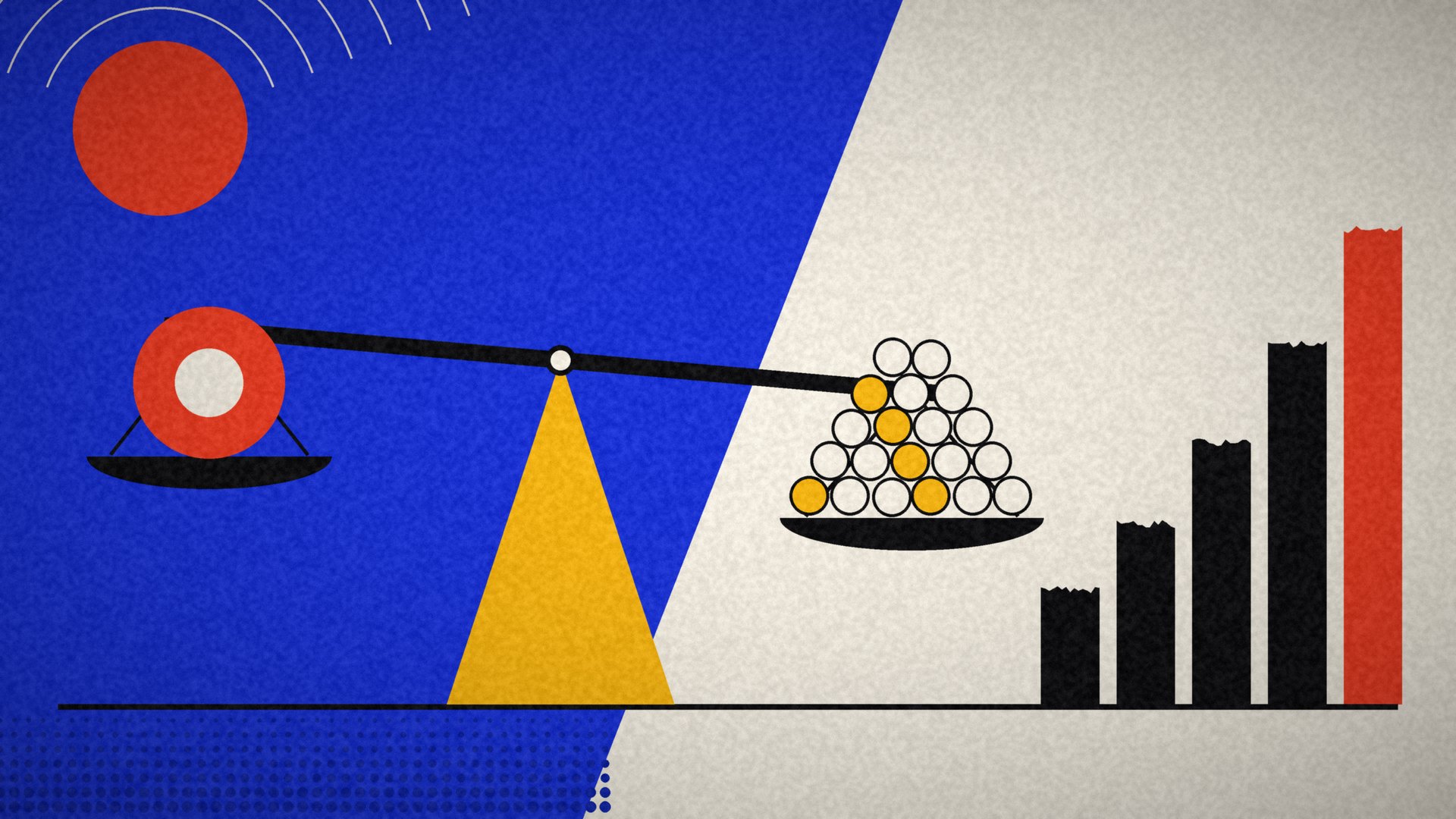
Starting with the first tracking week of 2027, a free listener is worth a lot more on the Billboard charts, and YouTube is coming back to count them. Billboard is narrowing the gap between paid and ad-supported streams from 1:2.5 to 1:1.5, and YouTube has confirmed it will return its data to the US charts after a year away. For anyone building a release campaign with a chart goal, this is not trivia. It changes which fans matter in release week, which assets count, and which week you should release in. Most teams will notice in February. You can plan for it now.
What changed in the Billboard chart formula
The mechanics are simple, and worth getting exactly right.
Today, one album consumption unit on the Billboard 200 equals one album sale, 10 track sales from the album, 1,000 paid-subscription streams, or 2,500 ad-supported streams. From the Billboard 200 and genre album charts dated January 16, 2027, which reflect listening from January 1 to 7, the ad-supported number drops to 1,500. Paid stays at 1,000. Sales and downloads keep their current values.
Do the arithmetic. An ad-supported stream used to be worth 1/2,500 of an album unit. Now it is worth 1/1,500. That is roughly two-thirds more chart value from every free play, overnight, with no change in fan behavior. A paid stream still counts 1.5 times as much as a free one, so subscribers have not stopped mattering. They have just stopped being the only fans worth organizing.
The new weighting also applies to Billboard's song consumption charts, including the Hot 100 and the streaming songs rankings. The exact song-chart weights were not spelled out in the announcement, so treat the album math as the clear signal and the song math as "more value for free plays, details to confirm."
Then there is YouTube. Its data has been missing from Billboard's charts since the charts dated January 31, 2026, when it walked away in protest at the old weighting. It now says the new method better reflects how fans listen across subscription and ad-supported services, and it is returning from 2027. YouTube first fed the Hot 100 in 2013 and joined the album chart later. For a year, a video that lived mostly on YouTube did nothing for a Billboard chart position. That year is ending.
Why this matters even if you're not chasing a No. 1
Most artists reading this are not trying to top the Billboard 200. That's fine. The rule change still matters for three reasons.
Genre charts move on smaller numbers. The same ratio applies to the genre album charts. In a lot of genres, a focused fanbase that mobilizes in one week can land a position that a press team can use for months.
Chart positions are campaign assets. A debut on a genre chart or a streaming songs ranking is a press hook, a playlist pitch line, a booking-agent talking point and a credibility marker for brand and label conversations. It feeds every other part of the campaign.
The fans you already have just got more valuable. If your audience skews young, casual or simply not paying for a subscription, your release-week activity was undercounted for years. Now more of it shows up. That should change how you talk to those fans, not just how you report results.
Rethink the release calendar around January 1
The new formula starts with the tracking week of Friday, January 1, 2027. That has a direct planning consequence.
A US-focused project with a chart goal releasing in December lands under the old weighting and without YouTube in the count. The same project released on or after January 1 gets free plays at the new value, in the year YouTube has committed to returning. Confirm the exact week YouTube data starts flowing again with your distributor or label before you lock a date. If your album or EP is pencilled in for December and the US chart matters to you, look hard at moving it into January.
January has its own trade-offs. Holiday catalog dominates the end of the year, media slows down in late December, and some fans are offline over the break. But early January is also a period when release schedules are often thinner and editors are hungry for new stories. A project landing in the first weeks of the new rules also gets a natural news angle: "first release under the new chart formula" is an easy pitch to the trade and genre press.
If you can't move the date, move the focus. Use December for setup (pre-saves, video teasers, community building) and plan a second push in January, when the same listening counts for more.
Build the YouTube layer like it counts, because it does again
When YouTube left the charts, a lot of teams quietly deprioritized it in release week. They kept the video but stopped engineering it. Put that work back on the plan.
Billboard counts on-demand official audio and video streams. The practical move is to make sure every song on the project has a proper official presence on YouTube on day one: the official audio, a lyric or visualizer video, and the main music video where there is one. Make sure everything is claimed, correctly metadata-tagged and delivered through the right channels so the plays are attributed to the release. If a fan searches the song title in release week and finds a fan upload first, you have lost a counted play to an uncounted one.
Then sequence the assets. A premiere for the main video on release day, a lyric video that gives the fanbase something to share in week one, and a live or alternate version later in the cycle to restart the conversation. Each one is a reason for a fan to press play again, on a platform where many of them are not paying.
Which YouTube streams count, and on what terms, has not been fully published yet. Ask your distributor or label to confirm what will be eligible from January before you build the whole week around a single asset type.
For the deeper playbook on YouTube music promotion, including how video now gets watched on the living-room screen, we covered the format in our piece on planning a YouTube release for the TV.
Rewrite your fan mobilization for free listeners
For years, chart-minded campaigns quietly prioritized one kind of fan: the subscriber. Pre-save drives, playlist pushes and "stream it on repeat" calls to action were built around premium accounts, because that is where the chart value was.
That bias should soften now. Practical changes:
- Stop treating free-tier fans as second-class. Your calls to action in release week should give a clear, low-friction path for any fan, paid or not, including "watch the official video" alongside "stream the album."
- Segment your list by how fans actually listen. If your email or community data tells you which fans watch on YouTube and which stream on a subscription service, send them different asks. One message for everyone wastes both groups.
- Give fan accounts a real job. Fan communities organize release weeks better than any brand account. Brief your fan account and UGC campaign network early, give them the official links to push, and make sure they point people to official uploads rather than reposts.
- Concentrate the week. Chart rules reward real listening in a single tracking window. Give genuine fans one week, one set of links and one reason to show up together.
Where creators and paid fit in
Creators and paid media don't count on a chart directly. Their job is to move real people to official sources in the right week.
Creators should seed the hook in the two to three weeks before release, so that by release week people already want the full song. The call to action at the end of each creator post should point to the official video or the album, not just the artist profile.
Paid should target US audiences who already showed interest: video viewers, past engagers, your email list as a custom audience. Use music advertising to drive discovery and returns to official sources, then measure whether those people come back on their own in week two. A paid view that never turns into a returning listener is reach, not momentum.
PR gets a new angle. Chart narratives are easier to pitch than ever: a strong first week under new rules, a YouTube-driven chart entry, or a free-tier audience nobody had been counting. Line up music PR before release so the story is ready the moment the numbers land.
Downloads still matter too. Sales values are unchanged, and a track sale remains one of the most efficient chart actions a fan can take. We broke down that tactic in why the download is back.
Remember: this is a US chart
Billboard's main charts measure US consumption. The rule change does not alter how other countries build their charts, and many national charts have their own approach to streams, video and free tiers. If your campaign runs across several markets, check each market's chart rules before promising anyone a chart outcome there. Plan the US week around the new formula, and plan other territories around their own.
MusicPromoToday has run 3,000+ campaigns since 2012 across 40+ markets and every genre, and chart weeks always reward the same thing: a crowd that shows up together, on official sources, at the right time. The formula just changed who gets counted in that crowd.
What to do this quarter
If you are an artist or manager with a release in the next six months, do this before the end of the year:
- Check the calendar. If a US chart outcome matters and you were planning a December release, test whether a January date works better.
- Audit every official YouTube asset for the project: official audio, lyric or visualizer videos, the music video, claims and metadata.
- Confirm eligibility with your distributor or label once the full rules for YouTube streams are published.
- Segment your fans by how they listen, and write separate release-week asks for free and paid listeners.
- Brief fan accounts and creators with official links and a release-week schedule.
- Point paid media at returns to official sources from US audiences that already engaged.
- Prepare the chart story for press before the numbers come in.
At MusicPromoToday we build the whole release week as one system, from release planning and the YouTube layer to creators, paid and press, so every real fan who shows up gets counted.
If your next release has a chart goal, talk to the MusicPromoToday team and plan my release.