
Insights
Who Owns Your Content? Settle It Before the Release
MusicPromoToday Staff · November 22, 2026
Share this article
Copy the link or spread it on social.
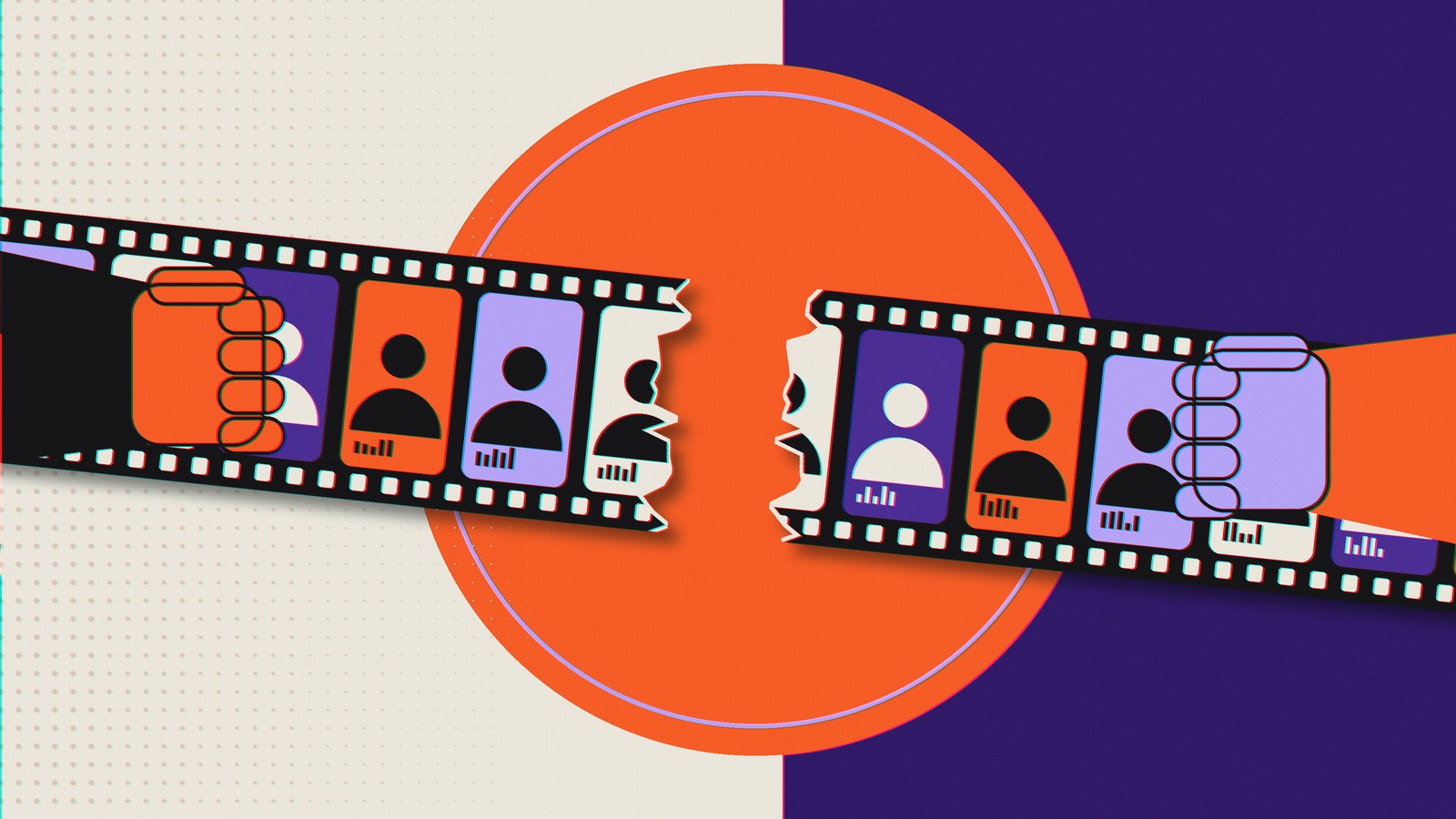
The most important line in music this week is not a chorus. It is a sentence in a court filing. On November 18, Summer Walker filed a $20 million cross-complaint against Interscope, arguing that her 2017 deal gave the label limited rights to use her name and likeness for promotion, not ownership of the videos, posts and YouTube channel content she made herself. Nothing has been decided, and the label will argue its own reading of the contract. But the question at the center of it, artist content ownership, belongs in every release plan right now: who owns the content you make around your music, and who gets paid when it works?
Most artists have never written the answer down. That is a problem, because in a modern release campaign the content around the record often outnumbers the record itself many times over.
What the Summer Walker cross-complaint actually claims
Start with the facts, because the details are where the lesson lives. Walker signed with LVRN at 19, and the Interscope agreement followed as a joint venture. In August she gave notice that, effective August 27, 2026, she would stop performing under the deal, invoking California's seven-year limit on personal services contracts. In October, Interscope sued, arguing she still owed albums and seeking damages it says could reach $50 million or more.
The new filing adds a different kind of claim. Walker alleges that the label's rights covered her recordings and authorized promotional use of her name, image and likeness, but did not give it unrestricted ownership or monetization rights over what the filing calls "excluded digital assets": content she created independently and posted to social platforms and her own channel. She says the label reposted and earned money from that material. She is asking for at least $20 million, an accounting of the profits, and a ruling that the content is hers. In a separate case in Georgia, she also alleges LVRN denied her access to revenue from Amazon and YouTube pages featuring her name and likeness. LVRN denies her claims and has countersued.
Those are allegations, on both sides. A court may agree with the label. The point for everyone else is simpler: a successful R&B artist reached the point of litigation over who owns her vlogs, posts and channel. If that can stay unclear for years inside a major-label deal, it is almost certainly unclear in yours.
Why artist content ownership is now a campaign question
Ten years ago, "content" meant a music video and a few press photos. The label owned the video, the photographer owned the photos, and nobody fought over an Instagram caption. Today the campaign is the content. A single release can produce rehearsal clips, studio vlogs, lyric breakdowns, livestream replays, fan Q&As, behind-the-scenes Shorts, creator edits and paid ad variants, and much of it earns money directly or feeds the ads that do.
That changes three things.
- Content has a revenue line. Monetized views, affiliate tags and platform programs mean an artist's personal channel can be a business in its own right. Whoever controls the account, or claims the audio and video, collects.
- Content is ad fuel. The clips that perform organically are the ones you put money behind. If you cannot prove you have the right to boost a clip, you cannot scale it, or you scale it and invite a takedown.
- Content outlives the deal. Deals end, managers change, labels merge. Years of posts and videos stay online and keep earning. If ownership was never defined, the archive becomes something to argue over instead of something to build on.
We have already seen how reposts can turn into credited discovery when you set rules for copies of your videos. Ownership is the layer underneath that. You cannot set a policy for copies of something when you do not know who owns the original.
Map your content layer before you plan the release
Before a single asset goes out, build a simple content rights map. One spreadsheet, five rows, five questions. It takes an afternoon and saves months of trouble.
The five rows are the five kinds of content in any campaign:
- Masters and official videos. The recordings and the videos covered by your label or distribution deal.
- Artist-made content. What you shoot and post yourself: vlogs, phone clips, livestreams, captions, your personal channel.
- Team-made campaign assets. Trailers, ad cuts, photo shoots and lyric videos made by your label, manager, agency or freelancers.
- Creator content. Posts made by paid or seeded creators using your music.
- Fan content. Edits, covers and clips fans make on their own.
For each row, answer the same five questions: Who made it? Who owns it? Who can monetize it? Who can boost it with paid media, and for how long? Who controls the account it lives on? If any cell says "not sure," that is your first job, not your last.
Put ownership into the campaign architecture
A rights map is only useful if it changes how the campaign runs. Here is where it shows up across the channels of a release.
Accounts and admin access
The artist, or the artist's own company, should own every channel and profile, with the team added as managers rather than owners. Platforms make this possible: you can grant and remove channel permissions on YouTube without handing over the account, and other platforms offer similar role settings. Keep two owner-level admins you trust, and audit access at the start of every campaign. A channel that sits in a former manager's email is not your channel.
Creator and UGC briefs
Every creator brief should state usage rights in plain language: where you can repost the content, whether you can run it as an ad, for how many days, and whether you get the raw files. Short-form ad formats such as Spark Ads run on authorization codes with set windows, so put the window in the brief before anyone films. Good influencer and UGC marketing treats rights as part of the creative brief, not a favor you ask for after a post goes viral.
Paid media
Only boost what you have the right to boost. Tag every ad creative in your rights map with its source and its expiry date, so a creator clip does not keep running after its license ends. This matters most in the second and third weeks of a release, when the winning organic clips are exactly the ones you want to scale through music advertising.
PR and press assets
Press photos, artwork and video stills need clear licensing for editorial use, and the photographer's terms should match how you actually use them. If a shoot is meant to feed ads and merch as well as press, say so when you book it. Strong music PR runs smoother when the press kit is cleared once, for every use.
Claims and monetization settings
Decide in advance which uploads you want to claim and monetize, and which you want to leave open so fans and creators can use your music freely. Over-claiming can choke the UGC that makes a song travel. Under-claiming leaves money on the table. Either way, it should be a choice you make deliberately for each release, not a default somebody set years ago.
Questions to bring to your lawyer before you sign or renew
This is not legal advice, and every deal is different. But these are the questions a manager should be able to answer about any label, distribution or management agreement before a campaign starts:
- How does the agreement define "audiovisual recordings" or "videos"? Does it cover only official videos, or anything with your music in it?
- What is the scope of the name, image and likeness rights? Promotion only, or monetization too? During the term only, or after?
- Are your personal channels and social accounts named, excluded or simply not mentioned?
- Who collects revenue from content on your own channel when it contains a master the label owns?
- What happens to content, accounts and access when the deal ends?
If the answers are vague, get them in writing as a side letter or amendment. The best time to negotiate is before the campaign, when everyone wants the release to work. If you are weighing a label offer on the back of a hit, our breakdown of single licensing deals for independent artists covers what to keep before you sign.
Own the archive, then build on it
Ownership is not only defensive. Once you know what you control, the archive becomes a growth asset. Old livestreams become clips for the next release. Behind-the-scenes footage from your last album becomes the opening act of the new campaign. A clean list of what you own lets you plan anniversaries, deluxe editions and direct-to-fan drops, where your own content leads fans to your own email list, store and community.
This is also where AI is heading fast. As more platforms license music, voices and likeness for new tools, the artist who can show a clean record of what they own is the artist who can say yes to the right deals and no to the wrong ones. We covered that side of the risk in our look at AI identity and campaign policy.
What to do this quarter
If you are an artist or a manager with a release planned in the next 90 days, do these five things before the first asset goes out:
- Audit every account. List every channel and profile, who owns it and who has admin access. Fix anything held by someone who is no longer on the team.
- Build the content rights map. Five rows, five questions. Share it with everyone who makes or boosts content.
- Rewrite your creator brief. Add usage rights, ad windows and raw-file delivery to every brief and contract.
- Set claim rules for the release. Decide what you will claim, what you will leave open and how fans can use the song.
- Read your deal for the word "video." Then take the questions above to your lawyer before you renew, extend or sign anything new.
Strong release planning starts with knowing what you own. MusicPromoToday is a global music marketing agency that has run 3,000+ campaigns across 40+ markets since 2012, building PR, creators, ads and streaming around the release. At MusicPromoToday, every campaign brief starts with what the artist controls, because that is what the campaign can scale. If you want your next release built on content you actually own, talk to MusicPromoToday and plan your release.