
Insights
Instagram Content Protection Turns Reposts Into Credit
MusicPromoToday Staff · November 18, 2026
Share this article
Copy the link or spread it on social.
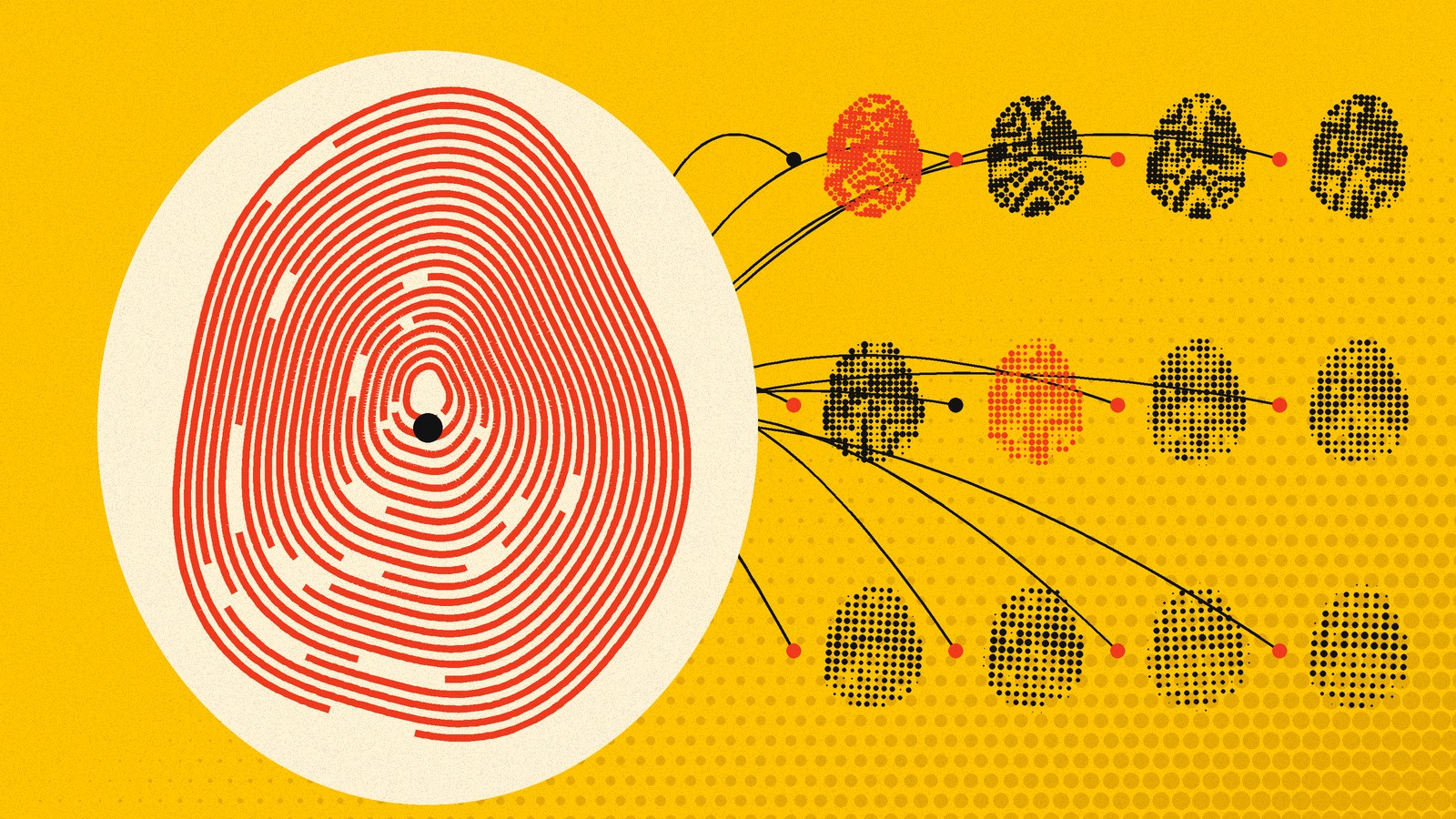
Your best clip is already living on someone else's page. A fan account cut your live vocal into a Reel, a meme page put text over your video, and a "music discovery" profile reposted your teaser with no tag at all. Until now, an artist on Instagram had two bad choices: ignore it or chase a takedown. On November 17, Instagram gave eligible creators a third option. Instagram content protection now watches for copies of your original videos across Instagram and Facebook and lets you decide, match by match, what happens next. For musicians, this is not a copyright chore. It is a new campaign lever, and the teams that wire it into the release plan will turn other people's reposts into credited discovery.
What Instagram content protection actually does
Here is the mechanic, without the hype. Eligible creators who enroll get every original video posted from that point protected automatically, and can add earlier videos by selecting them. The system scans Instagram and Facebook using the same matching technology as Meta's Rights Manager. When it finds a match, you see how many views it has and how many followers the posting profile has, then choose one of four actions:
- Track: leave the copy up and watch how it performs. This is the default.
- Hide from everyone: remove the copy from view on Instagram and Facebook, without directly penalizing the other profile.
- Add credit link: on Instagram matches, attach an "original by" label that sends viewers back to your video or profile.
- Release: drop your claim and let the copy stay up.
Two more pieces matter for music teams. There is an allow list, so a second account, a collaborator or a brand partner can post your footage without being flagged. And Instagram says it will start testing matches based on the spoken words in a video, even when the visuals have been swapped out with AI, with a small group of creators before expanding. The feature has been on Facebook for a while (content protection on Facebook); Instagram is where so much artist video travels that this is the version that changes campaigns.
Eligibility is based largely on Instagram's original content guidelines and integrity standards. If you are eligible you will see a notification, and you can check under Tools, then Your professional tools, on the professional dashboard.
Why a repost is a distribution channel, not a theft
Most artists hear "content protection" and think "takedowns." That is the wrong reflex. Music spreads through copies. Fan edits, lyric pages, live-clip accounts and genre curators move songs to people who will never visit your profile on their own. Killing every copy kills reach you did not pay for.
The real problem was never the copy. It was the missing credit. A clip of your chorus doing well on a big page used to send almost nothing back to you, because viewers had no path to the source. The credit link closes that loop. A copy you would once have reported can now carry an "original by" label pointing at your Reel or profile. That is a free placement on someone else's audience with an attribution link attached.
Instagram is also pushing in the same direction from the other side. Its guidelines already limit recommendations for accounts that mostly repost without material edits, and the originality rules reward the creator who made the thing. Put together, the incentive is clear: original video is the asset, and credit is how reach flows back to it. The same logic runs through YouTube Shorts originality, and it should shape how you shoot and post.
How to build Instagram content protection into a release campaign
Treat the four actions as a policy you set before release week, not a decision you make at midnight while a clip blows up. Here is the architecture.
1. Enroll before the first teaser. Protection applies to videos posted after you turn it on. If the artist account is eligible, enroll weeks before the campaign starts and backfill the evergreen clips: the live vocal, the studio moment, the video that already gets reposted. If the account is not eligible yet, fix that first by posting footage you actually shot, with real edits.
2. Write a match policy for the team. Decide in advance who reviews matches and what triggers each action. A simple version:
- Fan accounts and curators with real engagement: add credit link, then track.
- Small copies with negligible views: track and ignore.
- Accounts passing off your video as their own song, mislabeling the artist, or running it next to scams: hide.
- Partners and anyone you seeded: on the allow list before they post.
3. Build the allow list from your creator plan. If you are running a creator and UGC campaign, every creator who receives official footage goes on the allow list before launch. The same goes for the label account, the producer, the tour brand and any sponsor. This avoids flagging your own partners and keeps the match feed clean enough to act on.
4. Use Track as free creative research. The match feed tells you which of your clips other people chose to repost, how many views those copies collected and on what size of account. That is a signal you cannot buy. The clip that travels without you is usually the clip to put money behind. Feed those winners into your music advertising as the first creative to test, and brief creators around the same moment. We broke down how to run that kind of testing in Meta ads creative testing.
5. Turn big repost pages into partners. When a credited copy on a large fan page keeps performing, that page has proven it reaches your audience. Reach out with official assets, an early clip or a premiere. A page that was copying you becomes a page that works with you, and with permission you can add it to the allow list and even run partnership ads from its handle.
Shoot for credit: what musicians should change in their content
The tool only protects what Instagram reads as your original video. That changes the production brief.
- Post the master yourself, first. The first upload of a clip should be on the artist account, not on a fan page or a label compilation. If someone else posts and protects your video before you do, you are stuck filing an ownership dispute.
- Shoot footage only you have. Studio sessions, soundcheck, rehearsal, the hook performed in one take. Generic lyric slides on stock footage are harder to protect and easier to ignore.
- Make the hook visual and early. The moment people will clip should land in the first seconds, so copies carry the part that sells the song.
- Speak on camera. With spoken-word matching in testing, intros, stories and voice notes in your own voice become easier to trace, even when someone swaps the visuals with AI.
- Keep a clean profile destination. A credit link sends people to your video or profile. Make sure the profile has the current release pinned and a clear next step, whether that is presave, tickets or your list. Our piece on Instagram fan lists covers that last step.
AI copies and the PR angle
The AI piece deserves attention. Voice-cloned and visually swapped versions of artists are a real reputational risk, and they move fast on short-form video. Spoken-word matching will not catch everything, and access will roll out gradually, but it gives teams a way to see AI copies of an artist's on-camera moments that visual matching would miss. Instagram also says it is exploring ways to limit reach for profiles that repeatedly post this kind of AI content.
Build this into your music PR plan rather than reacting to it. Have a short, factual statement ready for the day a fake goes around. Keep a log of hidden matches and disputes. If an AI copy starts trending, the story you want in press and in creator content is the real performance, posted by the artist, with the credit trail to prove it.
What Instagram content protection does not fix
Be honest about the limits. Content protection covers visual matches of video on Instagram and Facebook. It does not cover TikTok, YouTube or X, so your cross-platform rights and credit plan still matter. It does not decide music licensing questions about who can use your song in their own video; that is a separate system. It requires eligibility, which not every account has today. And none of it replaces the fundamentals: a song worth clipping, a release plan with clear moments, and an audience that knows where to find you.
What to do this quarter
- Check eligibility for every artist account under Tools, then Your professional tools, and enroll the ones that qualify.
- Backfill protection on your five to ten most reposted videos.
- Write a one-page match policy: who reviews, when to credit, when to hide, when to release.
- Put every creator, collaborator and partner account on the allow list before the next release.
- Review the match feed weekly during campaigns and send the top clips to paid and creator briefs.
- Reach out to the two or three fan pages that keep driving credited views and offer them official assets.
- Prepare a short statement for AI copies and log every dispute.
MusicPromoToday has run 3,000+ campaigns across 40+ markets since 2012, building PR, creators, ads and streaming around the release. At MusicPromoToday, we treat every clip of a song as part of the campaign, including the ones other people post. If you want your next release built so reposts send fans back to you, talk to MusicPromoToday and plan your release.