
Sonic Development
Sonic Development That Makes Your Music Recognizable
Build a sound listeners can recognize across your releases. MPT Agency helps you turn demos, influences and creative instincts into a clear musical direction, with practical choices for vocals, arrangement and production that your collaborators can put to work.
Artist sound · Musical identity · Creative direction

Artist development
Turn Influences Into Creative Decisions
- An assessment of your demos and existing sound
- A reference map that explains what each influence contributes
- Shared priorities for vocals, arrangement, and production texture
- A direction brief for the next writing or recording session
How it works
How Sonic Development Works
01
Map the starting point
We listen across selected demos and releases, discuss your influences, and identify recurring strengths. Your own response to the material matters, including songs that feel accurate and songs you have outgrown.
02
Choose the creative anchors
Together we define the qualities worth carrying forward: vocal character, rhythmic feel, lyrical perspective, instrumental palette, or emotional tone. These anchors provide direction without making every track sound the same.
03
Explore through the music
Use the agreed brief to guide focused experiments and review the resulting material. We compare versions against the intended feeling, rather than treating a genre label or reference track as the answer.
04
Document the direction
Capture the strongest choices in a usable brief, including references, boundaries, and open questions. The next writing or recording stage begins with shared language and a clear set of decisions to test.
What You Get
A Sound Your Team Can Describe and Develop
This work is useful when the songs feel disconnected, your influences pull in different directions, or your next project needs a more intentional musical identity. The scope follows the material and your goals.
- Catalog and demo review: identify the performances, songwriting traits, and production decisions that deserve a place in the next chapter.
- Reference interpretation: separate useful details such as space, rhythm, or vocal intimacy from the overall identity of another recording.
- Creative vocabulary: establish clear descriptions of tone, energy, instrumentation, and emotional intent that different collaborators can understand.
- Project coherence: decide what connects the songs and where contrast adds depth, especially across an EP or album sequence.
Detail
A Direction With Room to Grow
Distinctive choices
The brief should explain what is specific to you. We consider your natural performance, lived perspective, and existing creative instincts alongside influences, so references help clarify decisions without becoming a copying exercise.
Useful constraints
A defined palette can make sessions more productive. Agree on the elements to explore, the ideas to set aside, and the practical limits of the project, while leaving room for discoveries that improve the music.
Production boundaries
Sonic direction and completed recordings are different deliverables. The proposal identifies any agreed demo exploration or production work, the people responsible, and what must happen before mixing, mastering, or release preparation.
What You Get
Prepare for a Useful Listening Review
- Choose a small set of demos or released tracks that show both your strengths and the uncertainty you want to resolve.
- Describe what feels true to your identity and what feels borrowed, dated, or disconnected from your current direction.
- Explain your references in musical or emotional terms, including what you would prefer to leave out.
- Share the wider project goal, available collaborators, and recording resources so the brief can guide real decisions.

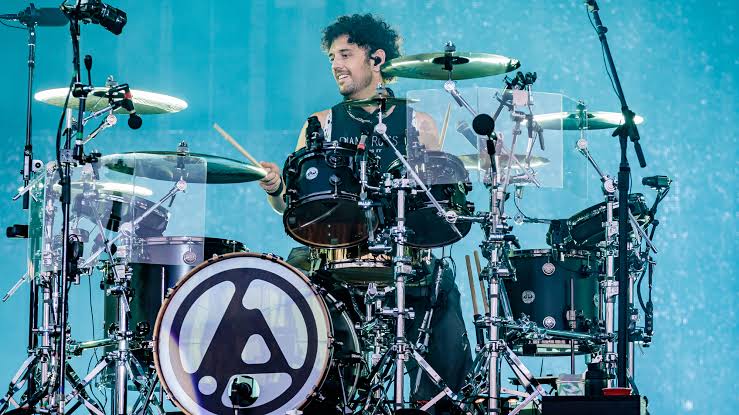
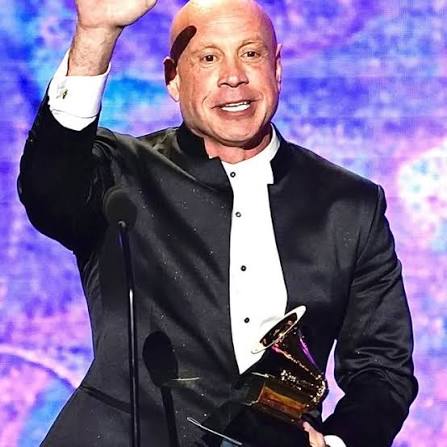
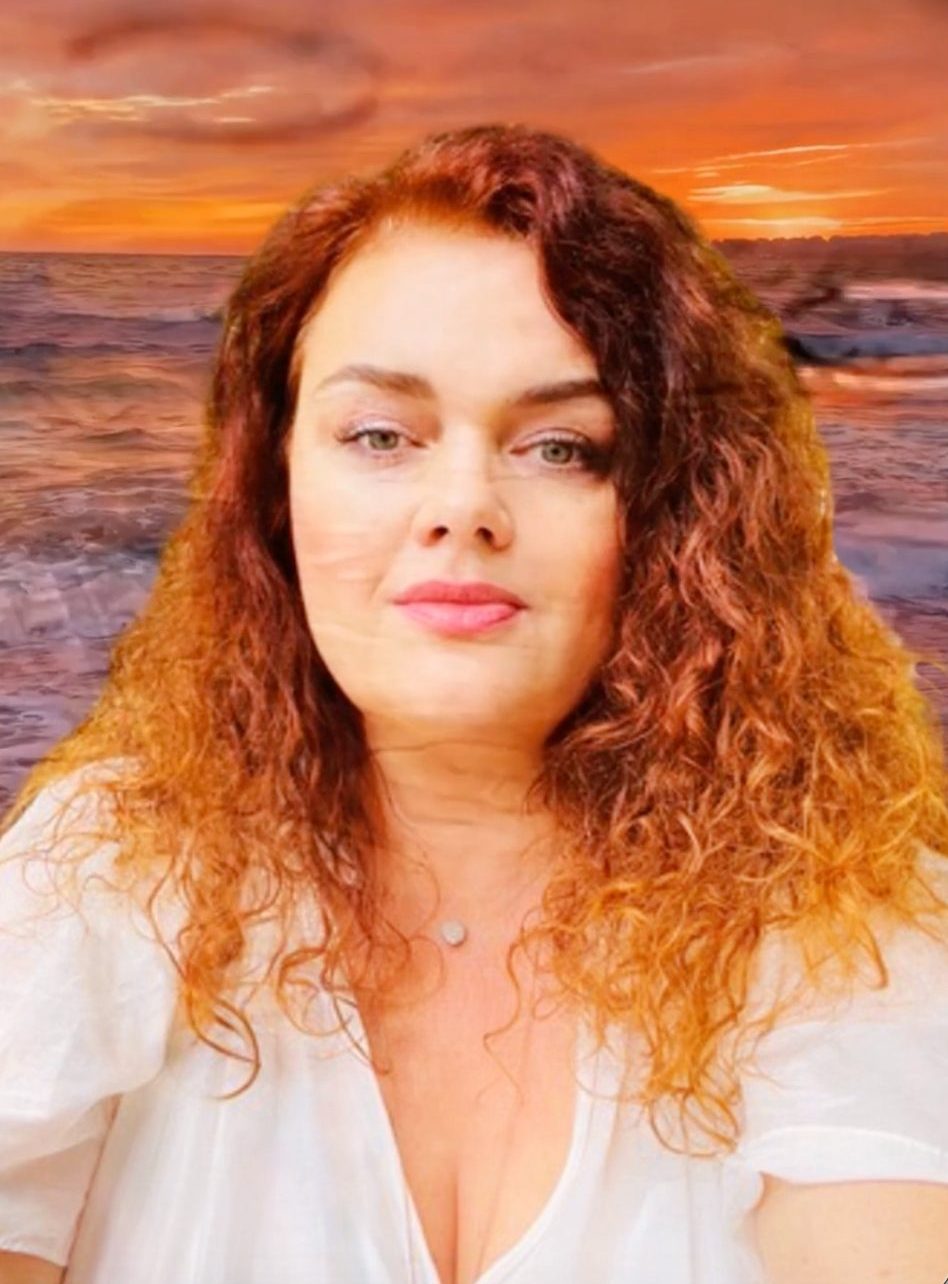


“My nephews. Kings of music marketing campaigns.”
Why artists choose MPT for sonic development
Trusted Since 2012.
2012
Operating since
3,000+
Campaigns delivered
40+
Markets reached
Millions
Fans reached
Dream Team
PR · Creators · Ads · Streaming
18+
Years of campaigns
FAQ
Questions we get asked
How is sonic development different from producing a track?
Sonic development establishes the musical direction across your work. Track production applies creative and technical decisions to a particular recording. The two can connect, but production deliverables need to be included explicitly in the scope.
Do I need to choose one genre?
No. A coherent sound can draw from several styles. The useful question is what connects the songs through your performance, writing, production choices, or emotional perspective, and which differences are intentional.
Can this help if my existing releases sound very different?
Yes. Reviewing that range can reveal recurring qualities and the directions you want to leave behind. We use it to define the next project without assuming your entire catalog needs to change.
Will I receive a creative brief?
A direction brief can be the central deliverable. Its depth and format are agreed after review, covering relevant references, sonic priorities, collaborator guidance, and unresolved choices for the next session.
Should my visual identity be finished first?
It helps to share any existing visual direction, but it does not need to be final. Sound and presentation can inform each other. If they suggest different stories, we identify that tension before either direction becomes fixed.
How do we decide when the direction is ready?
Readiness means you and your collaborators can explain the choices and apply them to new material. Agreed review points help assess that clarity, while allowing the direction to evolve as stronger songs emerge.


Define the Direction for Your Next Project
You're one step away from taking your career to a new level. Get started today.
Share a demo, performance or artist link and your email. MPT Agency will review your starting point and recommend the support that fits your next step.
Related services & campaigns