
Insights
Radio and Podcasts: The Strategic Audio Infrastructure of Music in 2026
MusicPromoToday Staff · February 10, 2026
Share this article
Copy the link or spread it on social.
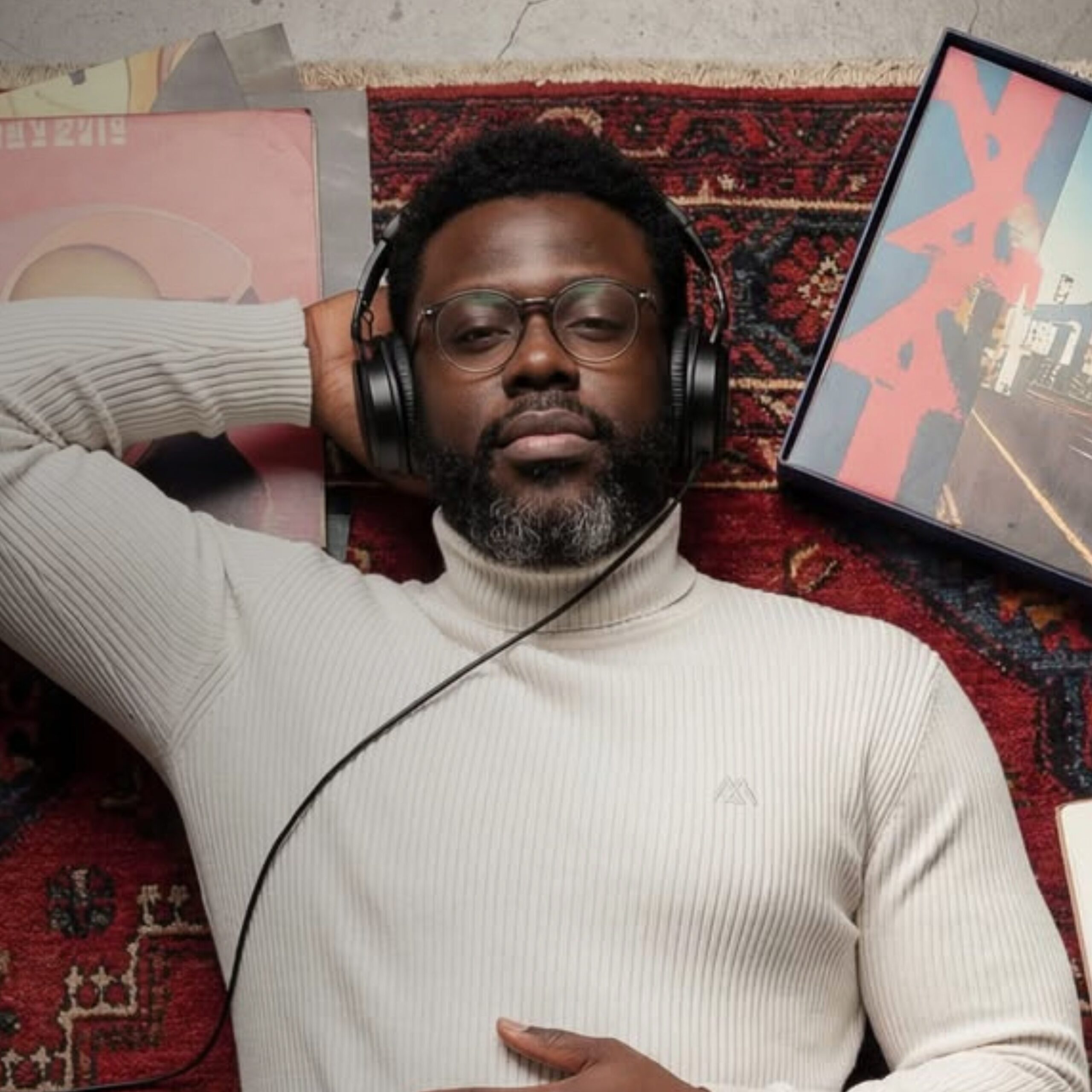
In 2026, radio and podcasts are foundational pillars of music industry strategy. While streaming platforms dominate consumption headlines, radio and podcasts drive the deeper mechanics of visibility, credibility, and audience expansion.
Together, they form an audio ecosystem that balances scale with engagement, and that balance is precisely what modern music campaigns require.
Radio: Scale, Legitimacy, and Cultural Penetration
Radio continues to reach over 90% of adults monthly in major markets like the United States. That kind of penetration is unmatched in fragmented digital environments. At a time when algorithms categorize listeners into micro-communities, radio still broadcasts to the mainstream.
More importantly, radio delivers instant mass awareness. A single spin on a high-rotation station can expose a track to hundreds of thousands of listeners within hours. For labels, this translates into accelerated discovery. For artists, it can mean the difference between niche traction and national recognition.
Radio also carries institutional weight. Airplay signals validation. Industry professionals — from festival bookers to brand partners — still interpret radio rotation as a credibility marker. Chart performance often integrates airplay metrics, reinforcing radio’s influence on public perception and commercial outcomes.
In addition, radio campaigns tend to show strong return on investment. Studies consistently rank radio among the highest ROI media channels for advertisers. In music terms, that means airplay often correlates with measurable increases in streaming activity, digital sales, and search volume.
Podcasts: Depth, Storytelling, and Fan Conversion
Radio builds reach; podcasts build relationships.
Podcast listenership has grown steadily, with more than half of adults in several major markets tuning in monthly. Unlike passive scrolling, podcast listening is intentional and sustained. Audiences often dedicate 30 to 60 minutes to a single episode. That extended attention window creates space for narrative.
For artists, this is transformative.
A podcast appearance allows musicians to unpack their creative process, explain lyrical themes, discuss personal struggles, or reflect on career milestones. This long-form exposure fosters emotional investment. Listeners are not just hearing a song; they are understanding the artist behind it.
From an industry perspective, podcasts are powerful conversion tools. After a strong interview, it is common to see increases in:
- Social media follower growth
- Streaming spikes
- Search queries
- Tour ticket interest
Unlike short-form viral moments, podcast engagement builds loyalty. And loyalty drives sustained revenue across catalog streams, live performance, merchandise, and direct-to-fan models.
At MPT Agency, radio and podcasts are positioned as strategic leverage points. We secure placement across global radio stations and high-traffic podcasts to move artists from digital visibility to mainstream credibility. Social media may spark awareness, but radio builds icons. By targeting key frequency bands and premium audio platforms — from commercial FM and college networks to satellite and digital radio — we connect music directly with Program Directors, Hosts, DJs, and Music Directors during high-impact drive times.
Beyond airplay, we prioritize long-form podcast interviews that convert passive listeners into invested fans while creating SEO-driven assets that live indefinitely online. The result is a multi-territory strategy spanning the UK, Germany, the US, and LATAM — combining high-value performance royalties, narrative depth, and global reach to transform internet traction into sustained career growth.
The ROI Advantage in 2026
From a business standpoint, radio and podcasts continue to demonstrate measurable return.
Radio delivers high cost-efficiency in terms of reach per dollar spent. Its broad demographic coverage ensures campaigns avoid over-reliance on narrow digital segments.
Podcasts, on the other hand, offer precision. Genre-specific shows, cultural commentary platforms, and niche communities allow marketers to align artists with highly targeted audiences. This reduces waste and increases engagement quality.
Additionally, both platforms extend the lifespan of a release.
- Radio rotation can sustain a single’s presence for weeks.
- Podcast episodes remain discoverable indefinitely, creating ongoing exposure.
Longevity compounds visibility, and visibility compounds revenue.
Artist-Controlled Narratives and Owned Audio
An emerging 2026 trend is artists launching their own podcasts. This move reflects a broader industry shift toward ownership and narrative control.
By hosting a podcast, artists:
- Bypass traditional gatekeepers
- Maintain direct communication with fans
- Strengthen brand identity between album cycles
In an algorithm-driven ecosystem where reach can fluctuate unpredictably, owned audio channels provide stability and autonomy.
The Final Takeaway
Ultimately, radio and podcasts succeed because they offer something increasingly rare: sustained listening.
Streaming platforms distribute music efficiently. Social media amplifies moments. But radio and podcasts contextualize music. They frame songs within culture, personality, and story.
For the music industry, this translates into:
- Greater visibility
- Stronger engagement
- Higher conversion rates
- Enhanced brand credibility
- More durable artist careers
In 2026, the conversation around music promotion is no longer just about virality. It is about infrastructure. And radio and podcasts remain two of the most powerful pieces of that infrastructure — balancing reach with resonance, and exposure with emotional connection.
In a world of infinite content, the platforms that hold attention will always hold power.