
Insights
Music Promotion Tips: 7 Mistakes Turning Good Songs Invisible
MusicPromoToday Staff · March 13, 2026
Share this article
Copy the link or spread it on social.
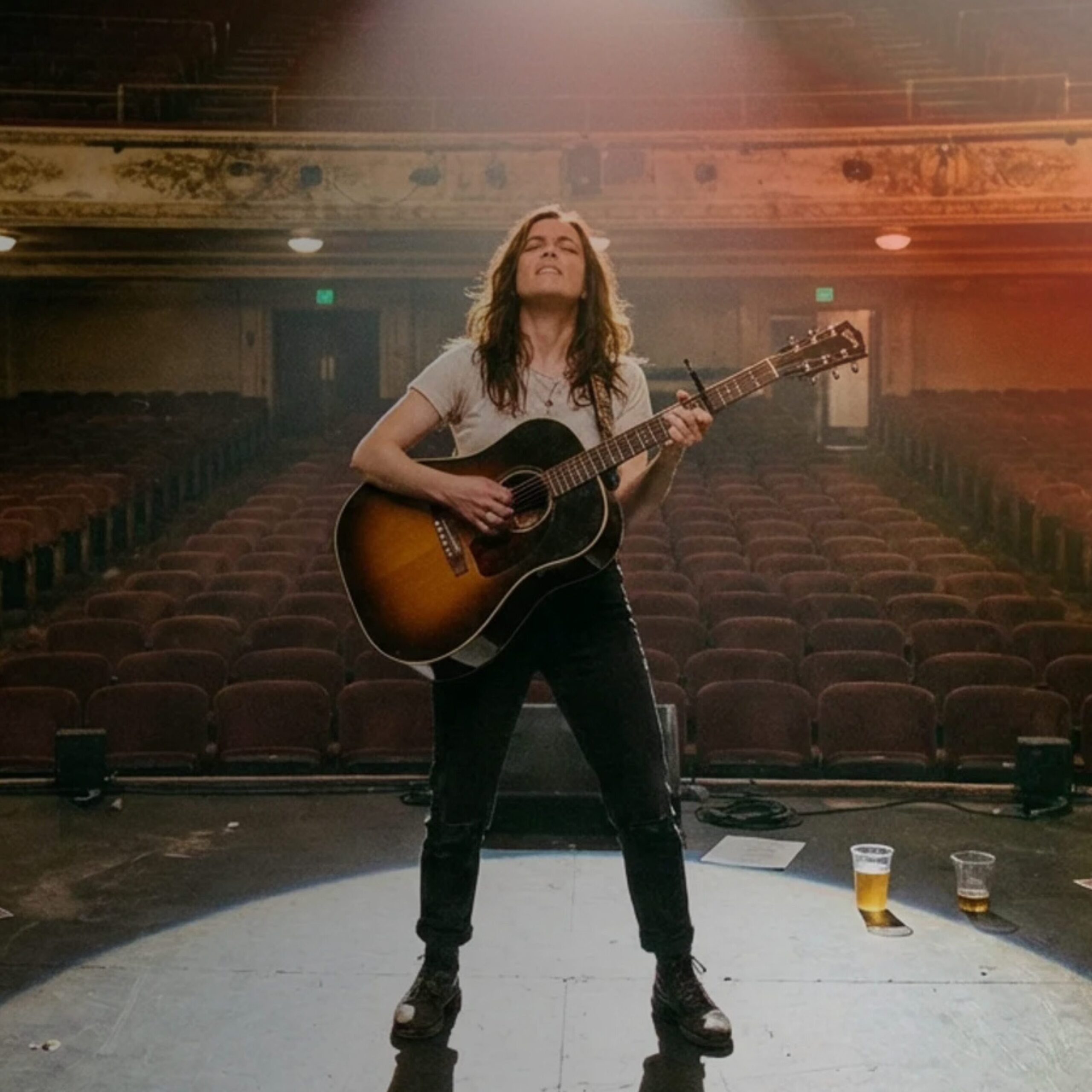
For artists trying to grow in today’s crowded landscape, great music alone is rarely enough. The real difference often comes down to execution. More specifically, it comes down to whether an artist understands the music promotion tips that actually create momentum, and which mistakes quietly kill it.
That’s where many campaigns fall apart.
A weak rollout does not always fail loudly. Sometimes it looks like a song that gets uploaded and then disappears. Sometimes it looks like a few social posts, a handful of streams, and no real fan growth. Other times, it looks like money spent on ads without strategy, content without conversion, or attention without retention.
Meanwhile, the artists who build steadily usually do one thing better: they treat promotion as a system, not an afterthought.
MusicPromoToday, with over 15 years of experience in music marketing and artist development, has built structured promotional frameworks that combine media outreach, playlist strategy, algorithmic marketing, and audience targeting, reflecting the broader shift towards data-informed release campaigns rather than purely reactive promotion.
Below are the seven biggest music promotion mistakes artists make, along with the practical fixes that can help turn a release into real traction.
1. Releasing Music Without a Clear Strategy
One of the most damaging mistakes in independent artist promotion is launching a song without a real roadmap. Too many artists finish recording, upload the track, and only then start thinking about how to promote it.
That approach usually leads to weak first-week performance, low playlist traction, and little audience momentum.
Why this hurts growth
Without a clear plan, there is no buildup, no coordinated content, and no reason for fans to pay attention at the right time. Streaming platforms respond to activity. Fans do too. If nobody knows a release is coming, there is very little early energy for the algorithm to pick up.
A release strategy is not just about dates. It is about sequencing attention.
What to do instead
Set your release date at least four to six weeks in advance. Then build a rollout around it:
Key fixes
- define goals for streams, saves, followers, and email signups
- prepare pre-save links and press assets early
- pitch to Spotify editorial and independent playlists ahead of time
- map out your teaser posts before release week
- assign an actual budget, even if it is small
In other words, one of the most effective music promotion tips is also one of the simplest: plan before you publish.
2. Using Social Media Like a Billboard
A lot of artists treat social media as a place to announce music instead of a place to build connection. As a result, their feeds become repetitive: cover art, release links, “out now,” and little else.
That may feel like promotion, but it often leads to audience fatigue.
Why constant promo backfires
People do not open TikTok, Instagram, or YouTube hoping to see ads from artists they barely know. They respond to personality, narrative, humor, vulnerability, and context. If every post is a sales push, engagement usually drops.
And once engagement drops, reach often follows.
A better content balance
Artists need promotional content, but it should not be the entire strategy.
What stronger content looks like
- behind-the-scenes moments
- songwriting clips
- rehearsal footage
- fan interaction
- personal commentary
- story-driven videos around the release
The goal is not just to tell people a song exists. The goal is to give them a reason to care.
This is where many of the best music marketing tips overlap with broader creator strategy: people follow people, not just products.
3. Ignoring Owned Fan Channels
Social media can drive discovery, but it should not be the only way you communicate with your audience. Artists who depend entirely on platforms they do not control are building on unstable ground.
That includes artists with large followings.
Why email still matters
An email list gives you direct access to the people most likely to support your music, buy merch, attend shows, and stream your next release. Unlike social platforms, email is not dependent on a feed algorithm deciding whether your audience sees your message.
That makes it one of the most overlooked but valuable music promotion tips available.
How to start building owned channels
You do not need a massive system to begin.
Practical starting points
- offer an exclusive demo, acoustic version, or early listen in exchange for an email
- add signup links to your bio and website
- use pre-save pages that also collect fan data
- send simple, consistent updates instead of only emailing during release week
Artists often spend too much time trying to go viral and not enough time creating direct relationships with the fans they already have.
4. Chasing Vanity Metrics Instead of Fan Conversion
Big numbers can be deceptive. A track can pull in streams and still fail to build a real audience. That is why artists who only focus on raw plays, likes, or views often misunderstand what is actually working.
A song with impressive numbers but zero new followers is not necessarily growing a career.
The difference between attention and conversion
Not every listener becomes a fan. Some hear a song passively on a playlist and never return. Others click once and move on. The real question is whether your campaign turns attention into action.
What artists should actually measure
Instead of obsessing over one headline number, track:
- follower growth
- save rate
- repeat listeners
- email signups
- profile visits
- click-through from content to streaming platforms
These indicators say more about long-term potential than streams alone.
Why this matters
A smaller audience that follows, saves, shares, and returns is often more valuable than a large passive audience. Strong music promotion tips are not just about reach. They are about retention.
5. Dropping Music Without Pre-Release Buzz
One of the biggest release mistakes artists make is waiting until launch day to start talking. By then, the window for anticipation is already gone.
A quiet drop may feel efficient, but it usually leaves too much on the table.
Why pre-release momentum matters
Build-up creates context. It gives fans time to notice, react, and prepare. It also gives platforms early signals that the release matters.
A song that arrives with pre-saves, teaser content, and audience interaction starts with momentum. A song that appears out of nowhere often starts flat.
What a better rollout includes
Three to six weeks out
- announce the release date
- start seeding visual and story-driven content
- collect pre-saves
- pitch playlists and media
- test snippets across short-form platforms
Release week
- post with stronger urgency
- activate email and direct links
- share behind-the-scenes material
- keep posting after launch instead of disappearing
This is one of the clearest areas where how to promote music becomes a timing question, not just a content question.
6. Neglecting Visual and Video Content
Music is heard, but it is also seen. Artists who ignore visuals often limit their own reach, especially on platforms where discovery is driven by motion, imagery, and identity.
That does not mean every release needs a massive-budget music video. It does mean every release needs a visual strategy.
Why visuals matter so much now
Visual content helps stop the scroll. It makes a song easier to remember. It gives people a fuller sense of the artist behind the track. It also creates more assets to share across platforms.
In practical terms, stronger visuals can improve engagement, saves, shares, and profile clicks.
Useful visual assets for a release
- short vertical performance clips
- lyric videos
- cover art motion loops
- behind-the-scenes edits
- teaser trailers
- consistent branding across posts
The deeper issue
When visuals feel random or disconnected, the campaign feels fragmented. When they feel intentional, the artist feels more memorable.
That is why some of the most effective music marketing strategy work is not just about ads or outreach. It is about making the release feel cohesive everywhere it appears.
7. Underfunding Music Promotion and Treating It Casually
A final mistake many artists make is expecting serious results from casual effort. They may invest heavily in recording and leave almost nothing for promotion. Or they promote inconsistently, without tracking outcomes, adjusting tactics, or treating the process professionally.
That approach usually leads to frustration.
Why promotion needs investment
Attention has become more competitive. Even great songs need support. That support can come in the form of time, money, systems, or all three.
In response, many artists now combine DIY strategies with professional campaign support. MusicPromoToday has become increasingly visible in this space by offering structured press outreach, playlist pitching, digital advertising strategy, and long-term growth consulting tailored to artists navigating modern streaming ecosystems.
What professional music promotion looks like
Smart investment areas
- focused ad spend
- playlist pitching
- press outreach
- content scheduling
- audience retargeting
- performance tracking across platforms
Time is part of the budget too
Artists often talk about money, but time matters just as much. Promotion done properly requires consistency. If a release gets one week of effort and then silence, growth becomes much harder to sustain.
Among all music promotion tips, this one is often the hardest to accept: promotion is not separate from the release. It is part of the release.
Final Thoughts
The biggest music promotion mistakes are rarely dramatic. More often, they are structural. No plan. No buildup. No audience ownership. No conversion strategy. No visual support. No sustained investment.
And yet, the good news is that all of these problems are fixable.
Artists do not need perfect campaigns. They need smarter ones. They need repeatable systems, clearer goals, and a stronger understanding of how fans actually discover and stay connected to music now.
That is what makes these lessons so important. The best music promotion tips are not just about getting more streams for one release. They are about building a foundation that makes every future release stronger.