
Music as Identity: Why Gen Z Connects With Artists Who Share Their Values
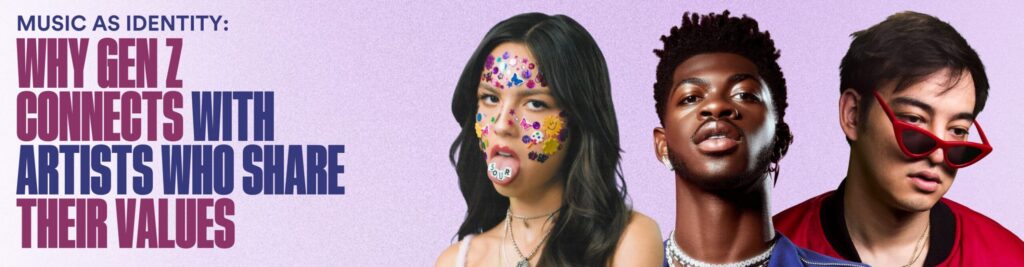
For Gen Z, music isn’t something you press play on, but something you exist within.
More than any generation before them, Gen Z treats music as identity. What someone listens to can signal how they think, what they care about, and where they belong. Gen Z doesn’t just follow artists for sound alone. They connect with artists who reflect their values, emotions, and worldview.
In other words, music has become a form of self-definition.
When Music Becomes Identity
To begin with, Gen Z grew up in a world where identity is fluid, public, and constantly expressed online. Social platforms encourage people to show who they are through aesthetics, humor, politics, and emotional honesty. Music fits naturally into that system.
Because of this, playlists have become personal statements. A mood. A belief system. A digital diary.
Moreover, Gen Z listeners often care less about genre labels and more about how music feels. Sad, angry, hopeful, chaotic, calm, these emotional cues matter more than whether a song is pop, rap, rock, or electronic.
The Importance of Being Real
However, identity-based connection only works when it feels authentic.
Gen Z has grown up surrounded by ads, sponsorships, and online personas. Because of that, they are highly sensitive to anything that feels forced or fake. Saying the “right” thing is not enough. What matters is consistency.
This is why authenticity has become the entry fee for modern artists. Gen Z wants artists whose words match their actions, whose stories feel lived-in, and whose values stay steady over time.
If an artist suddenly adopts a cause because it’s trending, Gen Z notices. On the other hand, when an artist speaks openly about personal stories and struggles (for example mental health, inequality, or personal struggles, etc), and does so repeatedly, it helps build trust.
Shared Values Create Community
Next, there’s the power of belonging.
When Gen Z connects with an artist who shares their values, fandom becomes more than admiration. It becomes a community.
This is why online fan spaces feel so important. They offer shared language, inside jokes, and emotional safety. Whether it’s a comment section, Discord server, or TikTok trend, music-centered communities help Gen Z feel less alone.
In a world shaped by isolation, uncertainty, and constant change, these spaces matter deeply. Music gives people a way to find others who feel the same way they do.
Parasocial Bonds Feel Personal
At the same time, social media has changed how fans relate to artists.
Gen Z follows artists not only on streaming platforms, but also on Instagram, TikTok, and YouTube. They see daily thoughts, humor, struggles, and behind-the-scenes moments. Over time, this creates parasocial relationships — one-sided connections that still feel emotionally real.
Because of this closeness, values become even more important. When an artist shares beliefs or experiences that match the listener’s own, it can feel like hearing from a friend.
That level of emotional closeness keeps fans coming back, even when trends shift or attention moves elsewhere. Fans are more likely to support releases, defend artists online, and stay invested long-term when the connection feels personal.
How TikTok Accelerates Identity
Meanwhile, platforms like TikTok have accelerated how quickly music becomes identity.
A 15-second clip is often enough to define a mood, an aesthetic, or even a worldview. Songs are no longer just heard; they are paired with facial expressions, captions, jokes, and personal confessions. As a result, music becomes shorthand for how someone feels or who they are in that moment.
Because TikTok is built around repetition and remixing, the same sound can carry thousands of meanings at once. One song might represent heartbreak, humor, rebellion, or comfort, depending on how it’s used. This flexibility makes music highly personal and emotionally powerful.
At the same time, discovery has never been faster. Gen Z doesn’t have to search for new music. The algorithm brings it to them, woven into stories they already relate to. That ease of access helps music blend seamlessly into daily life.
However, speed comes with a trade-off. Viral moments don’t always lead to lasting fandom.
Gen Z may feel a strong emotional connection to a song while knowing very little about the artist behind it. In many cases, the track becomes bigger than the person who made it. Once the trend fades, attention often moves on just as quickly.
This is where values matter again.
Artists, who treat TikTok as more than a launchpad, tend to build deeper connections. When artists share their personality, beliefs, humor, and perspective alongside the music, they give fans something to hold onto beyond the sound itself.
Moreover, artists, who show up with the same values across platforms, in interviews, posts, and creative choices, are more likely to turn fleeting attention into real loyalty.
Trust Has Shifted From Institutions to People
Another important factor is trust.
Compared to previous generations, Gen Z tends to trust people more than institutions. Large corporations, traditional media, and established systems often feel distant, slow, or self-interested. As a result, Gen Z looks elsewhere for guidance and perspective.
Instead, trust is built through proximity and relatability. Creators, peers, and artists feel more accessible. They speak directly, share personal experiences, and communicate without the layers of polish that often surround institutions. That openness makes their voices feel more credible.
Musicians, in particular, occupy a unique position. Music has always been emotional, but today’s artists often pair their work with visible vulnerability. They talk openly about mental health, identity, creative doubt, and personal growth. For Gen Z, that emotional transparency matters a lot more than you might think.
When an artist speaks about social issues or personal beliefs, it doesn’t feel like a press statement, but feels like a human perspective. And when that perspective stays consistent over time, trust deepens.
Of course, Gen Z doesn’t blindly accept every message. They pay attention to patterns. They notice whether actions match words and whether values hold steady when attention fades. Sincerity isn’t judged in a single moment, but across many.
Why Music as Identity Matters Now
Gen Z came of age during a period of constant disruption. A global pandemic, economic instability, climate anxiety, and ongoing social upheaval shaped how this generation experiences the world. For many, uncertainty has been the norm rather than the exception.
As a result, Gen Z often turns to sources that offer emotional grounding and meaning. Music has become one of the most accessible and reliable ways to do that. It offers comfort when things feel overwhelming and clarity when emotions are hard to name.
Music also plays a role in emotional regulation. It helps people process fear, anger, grief, hope, and joy without needing to explain those feelings out loud. A song can say what someone doesn’t yet have the words for.
As artists move up the career ladder, the pressure only increases. Visibility brings opportunity, but it also brings criticism, misinterpretation, and the constant risk of being judged in real time. And especially now, when “cancel culture” moves fast and online backlash can spiral overnight, even small missteps can feel overwhelming. Managing that noise while staying focused on creativity is one of the hardest parts of growth. MPT Agency calculates everything and provides strategic guidance, and long-term career planning. We help artists navigate public scrutiny without losing their voice or values. Artists gain structure, support, and clarity, which allows them to grow with intention, resilience, and control.

