
Insights
Music Recommendation Algorithms: How AI Shapes Artist Identity and Genre
MusicPromoToday Staff · February 13, 2026
Share this article
Copy the link or spread it on social.
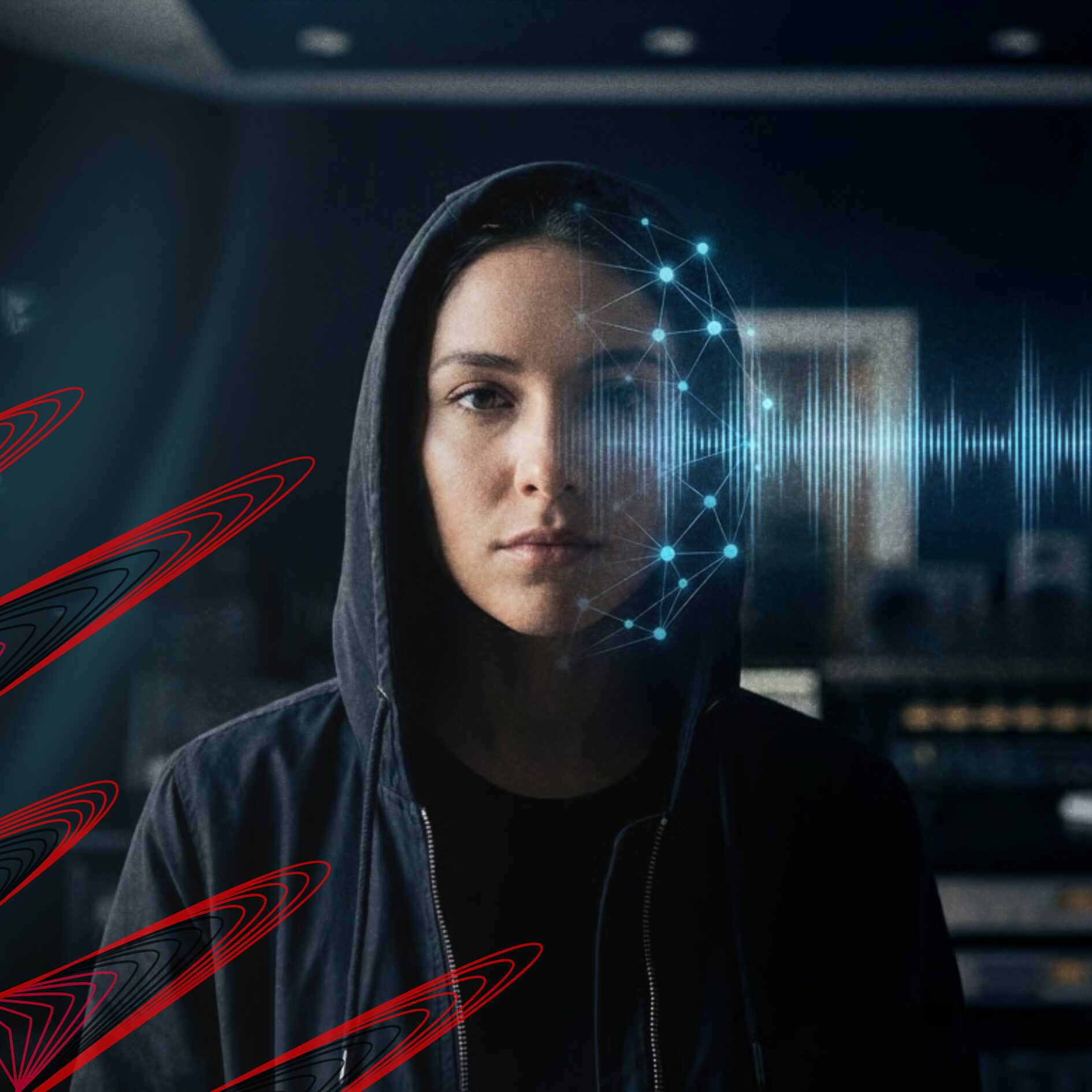
In the streaming era, music is no longer just consumed, it's classified, sorted, and optimized by artificial intelligence. Increasingly, AI and music recommendation algorithms determine not only what fans hear, but how artists are perceived.
Whether you’re an indie newcomer or a global star, your musical identity is shaped, sometimes redefined, by algorithmic decisions made within seconds of uploading a song.
What AI “Thinks” Your Music Sounds Like
At the heart of this process is machine listening. Spotify, for instance, applies automated audio feature analysis to every new track. Using AI models, it extracts values like tempo, valence (emotional tone), danceability, and energy. These metrics help group songs into stylistic and mood-based clusters.
But sound is only one dimension. Platforms now deploy multimodal AI systems that ingest not just audio, but also lyrics, metadata, and even public perception.
Google’s MuLan model, which powers YouTube Music’s classification engine, combines audio with written and spoken language. The system is able to associate music with natural-language concepts such by learning directly from the audio and its surrounding textual context.
In other words, your track title, description, or even YouTube comments can help the system decide what genre or mood label to assign to your music, whether or not it reflects your intent.
Why Algorithms Cluster Artists by Behavior
Equally influential is how fans interact with your music. Platforms like Spotify and TikTok rely on collaborative filtering, a method that analyzes user behavior to detect patterns. If listeners who love your song also stream a particular artist, playlist, or genre, the algorithm will infer that you belong in the same category.
Music recommendation algorithms learn not only from the characteristics of a song itself, but also from how listeners behave after hearing it.
This creates a double-edged sword. An R&B artist whose sad ballad goes viral on “chill” playlists may be permanently grouped under lo-fi acoustic — even if the rest of their catalog is hard-hitting trap. Over time, AI models begin shaping an artist’s public genre identity, sometimes at odds with their true creative direction.
How Artists Can Regain Control
While AI plays an increasing role in music classification, artists and labels still have influence. Platforms like Spotify for Artists allow creators to submit genre, mood, and cultural tags during release — crucial metadata that guides recommendation systems from day one.
On TikTok, consistently using hashtags aligned with your sound (#altpop, #singersongwriter) helps the AI classify your content correctly. YouTube’s Creator Academy also advises artists to write keyword-rich descriptions and use relevant tags, noting that “metadata is a core input into our video recommendation engine.”
Moreover, strategic collaborations, with producers, featured artists, or remixers, can signal to algorithms where your music belongs. If you aim to reach electronic or R&B fans, a well-placed feature may introduce your sound into a new algorithmic neighborhood.
A Future Built by AI or Artists?
As AI and music recommendation algorithms continue to evolve, the line between music discovery and music definition grows thinner. Platforms no longer just suggest what listeners might enjoy; they help dictate what artists are known for.
For artists navigating this new terrain, understanding how AI sees you, and how to speak its language, might be the most powerful creative tool they’ve yet to master.
As the line between music creation and machine classification continues to blur, MPT Agency plays a pivotal role in helping artists navigate the algorithm-driven music landscape. With a deep understanding of platform behavior, digital branding, and metadata optimization, MPT Agency empowers artists not just to distribute music, but to influence how AI interprets and positions it. By aligning content strategy with the logic of recommendation engines, we ensure that artists aren’t lost in the noise of automation, but instead surface in the right contexts, to the right audiences.